Why an EICR Certificate Is Essential for Electrical Safety
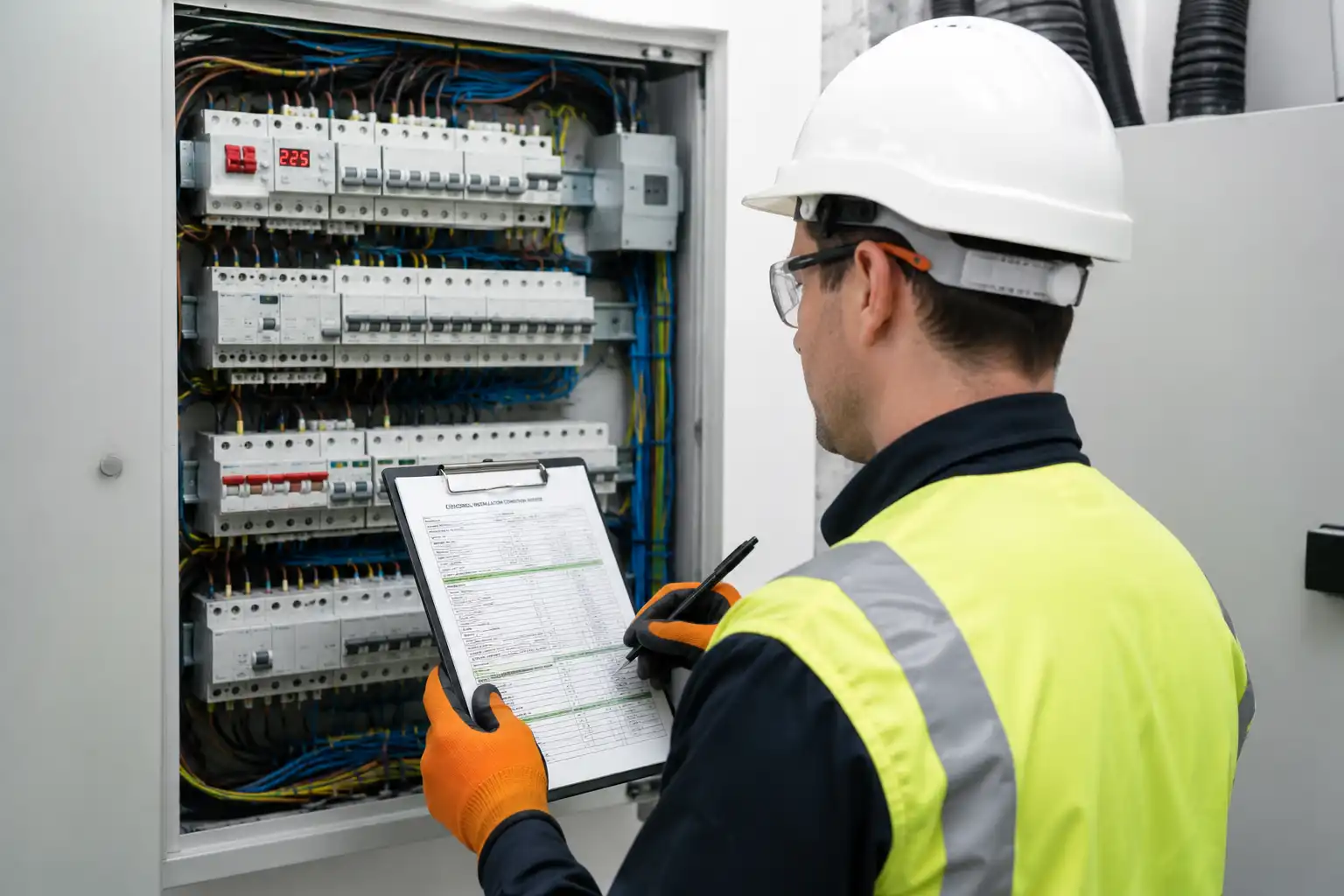
Electrical safety is a vital part of maintaining any residential, commercial, or industrial property. Faulty wiring, overloaded circuits, and deteriorating electrical installations can pose serious risks, including electric shocks, fires, and costly damage. One of the most effective ways to identify these issues before they become dangerous is by obtaining an EICR certificate.
An Electrical Installation Condition Report (EICR) is a professional inspection that assesses the condition of your property’s electrical installation. It identifies potential hazards, confirms whether your electrical system complies with current UK safety standards, and highlights any remedial work required. At ielec, we provide comprehensive EICR certificate services for homeowners, landlords, businesses, and property managers across London and Kent, helping ensure every electrical installation remains safe and compliant.
What Is an EICR Certificate?
An EICR certificate, formally known as an Electrical Installation Condition Report, is a detailed assessment carried out by a qualified electrician. During the inspection, the electrician examines the fixed electrical installation, including:
- Consumer units (fuse boards)
- Electrical wiring
- Socket outlets
- Lighting circuits
- Earthing and bonding
- Distribution boards
- Protective devices
The report records the overall condition of the electrical installation and identifies any defects or safety concerns using standard classification codes. If dangerous faults are found, they should be corrected promptly to ensure the installation is safe for continued use.
Why Is an EICR Certificate Important?
Electrical systems naturally deteriorate over time. Wiring can become damaged, connections may loosen, and older installations may no longer meet modern electrical safety standards. Without regular inspections, these hidden issues may remain unnoticed until they result in expensive repairs or dangerous incidents.
An EICR certificate helps you:
- Identify electrical hazards early
- Reduce the risk of electrical fires
- Prevent electric shock hazards
- Ensure compliance with UK regulations
- Maintain insurance requirements
- Protect occupants and property
- Improve long-term electrical reliability
Regular inspections provide peace of mind by confirming that your electrical installation is functioning safely and efficiently.
Who Needs an EICR Certificate?
An EICR certificate is recommended for anyone responsible for maintaining a property’s electrical safety.
This includes:
- Homeowners
- Landlords
- Letting agents
- Commercial property owners
- Industrial facilities
- Schools
- Offices
- Retail premises
- Hospitality businesses
For landlords, obtaining an EICR certificate is a legal requirement for most privately rented properties in England. The inspection helps demonstrate compliance with electrical safety regulations while protecting tenants from potential hazards.
What Does an EICR Inspection Include?
A professional EICR inspection is a thorough assessment of your property’s fixed electrical installation.
The inspection typically includes:
- Visual examination of electrical components
- Testing of electrical circuits
- Verification of earthing and bonding
- Inspection of sockets and switches
- Assessment of consumer units
- Identification of overloaded circuits
- Detection of damaged wiring
- Evaluation of protective devices
Once the inspection is complete, you’ll receive a detailed report outlining the findings and any recommendations for remedial work.
Common Problems Found During an EICR
An EICR often identifies issues that property owners may not be aware of.
Common faults include:
- Damaged electrical wiring
- Outdated fuse boards
- Loose electrical connections
- Missing earthing or bonding
- Overloaded circuits
- Faulty sockets and switches
- Inadequate circuit protection
- Signs of overheating
Addressing these issues promptly can significantly improve electrical safety and reduce future repair costs.
How Often Should You Get an EICR Certificate?
The recommended frequency depends on the type of property.
General guidance includes:
- Owner-occupied homes: Every 10 years or when selling a property
- Rental properties: Every 5 years or at the start of a new tenancy, where required
- Commercial premises: Typically every 5 years, depending on use
- Industrial buildings: More frequent inspections may be recommended due to higher electrical demand
If your property undergoes major renovations or experiences recurring electrical issues, an additional inspection may be advisable.
Benefits of Choosing iElec
At iElec, we understand the importance of electrical safety and regulatory compliance. Our experienced electricians carry out thorough EICR inspections using the latest testing equipment and industry best practices.
Why Choose iElec?
- Qualified and experienced electricians
- NICEIC-approved electrical services
- Detailed and easy-to-understand reports
- Domestic, commercial, and industrial expertise
- Compliance with current UK regulations
- Honest recommendations with no unnecessary work
- Competitive pricing
- Reliable appointment scheduling
- Professional customer service
Our goal is to help property owners maintain safe, efficient, and fully compliant electrical installations.
Book Your EICR Certificate Today
Whether you’re a homeowner, landlord, or business owner, an EICR certificate is one of the most effective ways to protect your property and the people who use it. Regular inspections help identify hidden electrical defects before they become serious safety risks while ensuring compliance with the latest UK electrical standards.
At ielec, we provide professional EICR certificate services tailored to your property’s needs. If you’re due for an inspection or require expert advice, visit our page to request a free quotation or book your electrical safety inspection today.
Frequently Asked Questions
An EICR certificate is an Electrical Installation Condition Report that assesses the safety and condition of a property’s fixed electrical installation, identifying defects and recommending any necessary repairs.
Yes. For most privately rented properties in England, landlords are legally required to obtain an EICR at least every five years. Homeowners are also encouraged to arrange periodic inspections for safety.
Most domestic EICR inspections take between two and four hours, depending on the property’s size, age, and the complexity of its electrical installation.
If hazardous defects are identified, the report will classify them and recommend remedial work. Once repairs are completed, the installation can be retested to confirm compliance.
Homeowners should generally arrange an EICR every 10 years or when purchasing or selling a property. More frequent inspections may be needed for older homes.
Yes. Regular EICR inspections help businesses maintain electrical safety, reduce downtime, meet legal obligations, and protect employees, customers, and valuable equipment.
We offer professional EICR inspections by qualified electricians, detailed reports, competitive pricing, and reliable service to help ensure your property remains safe and compliant with UK electrical regulations.